Make the invitation match the experience
If listening is central to the evening, mention it in the invitation rather than presenting music as an unexpected obligation. Guests can then arrive ready for a shared experience. A surprise may still work for a short intervention, but an extended concert benefits from clear expectations. Think particularly about guests who may arrive late, bring children or expect a relaxed dinner with uninterrupted conversation throughout the evening.
Build an arc, not a collection of favourites
A bespoke programme needs relationships between songs. A host might begin with familiar material, move towards a personal dedication and finish with something that releases the room back into conversation. That is only one possible shape, not a fixed formula. Share why particular pieces matter and which moods you would rather avoid. Too many emotionally significant selections can flatten the contrast that makes one dedication genuinely stand out.
Think about the room as an audience
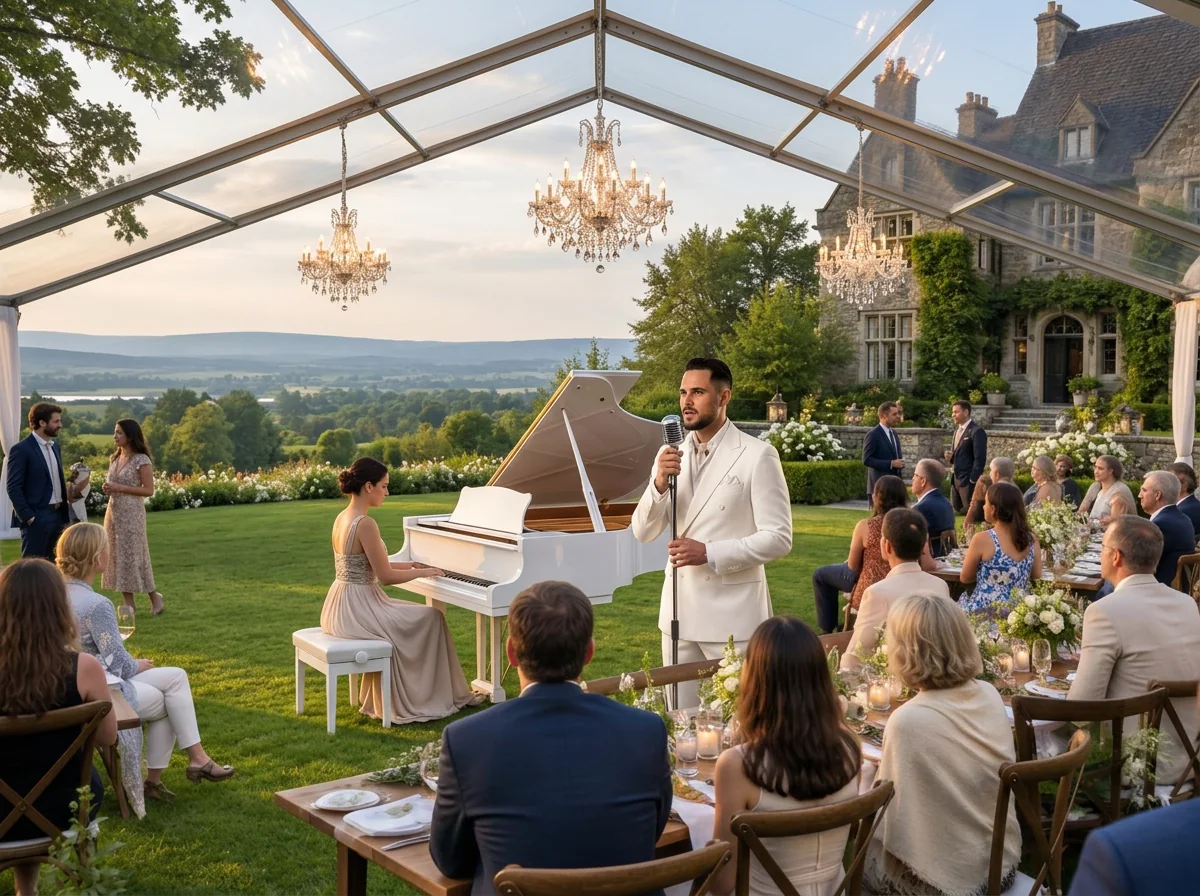
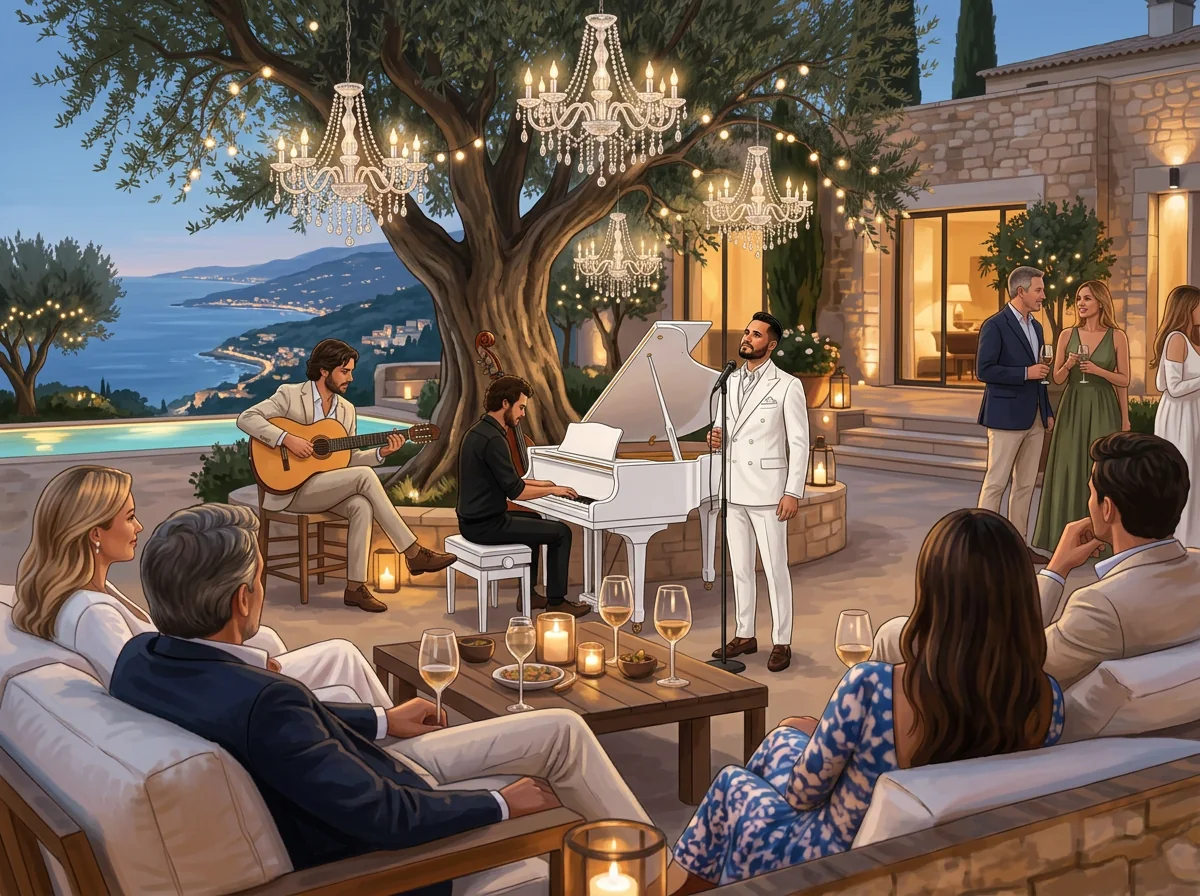
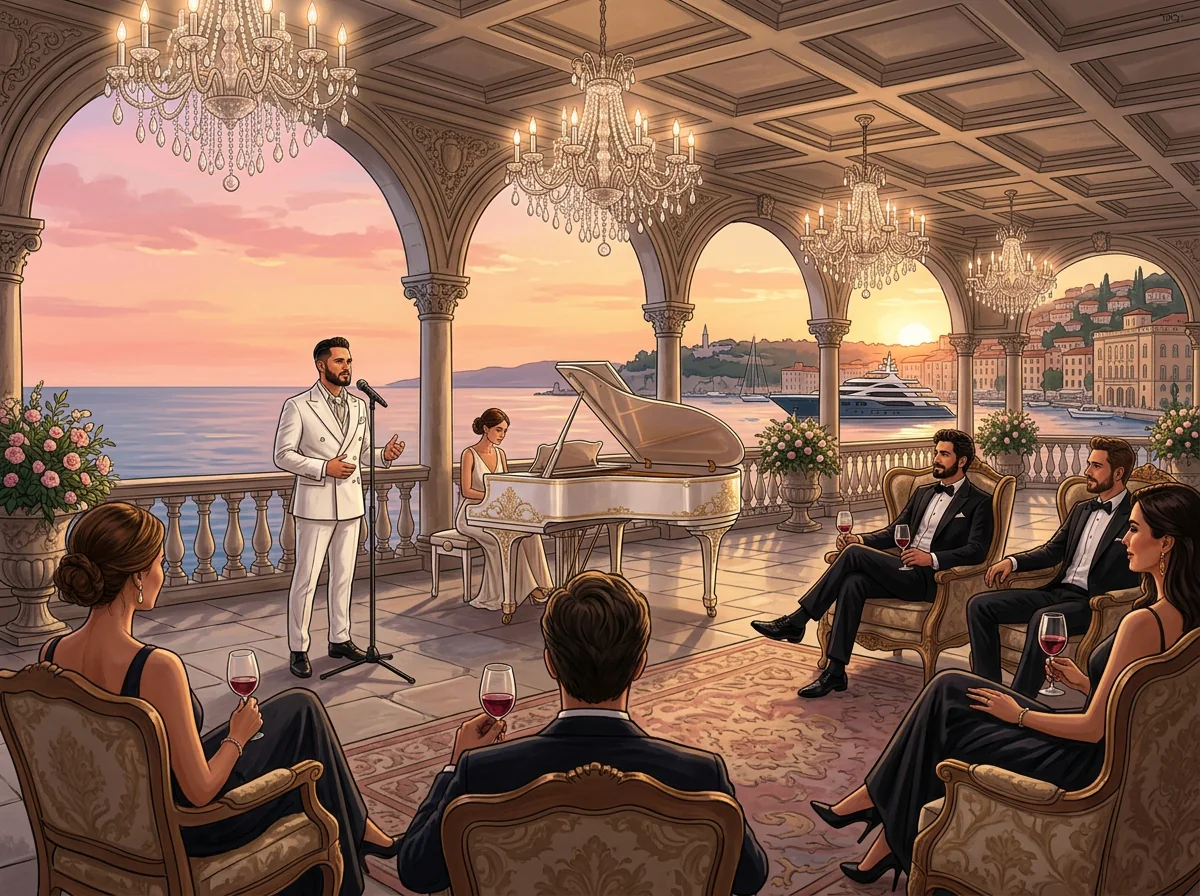
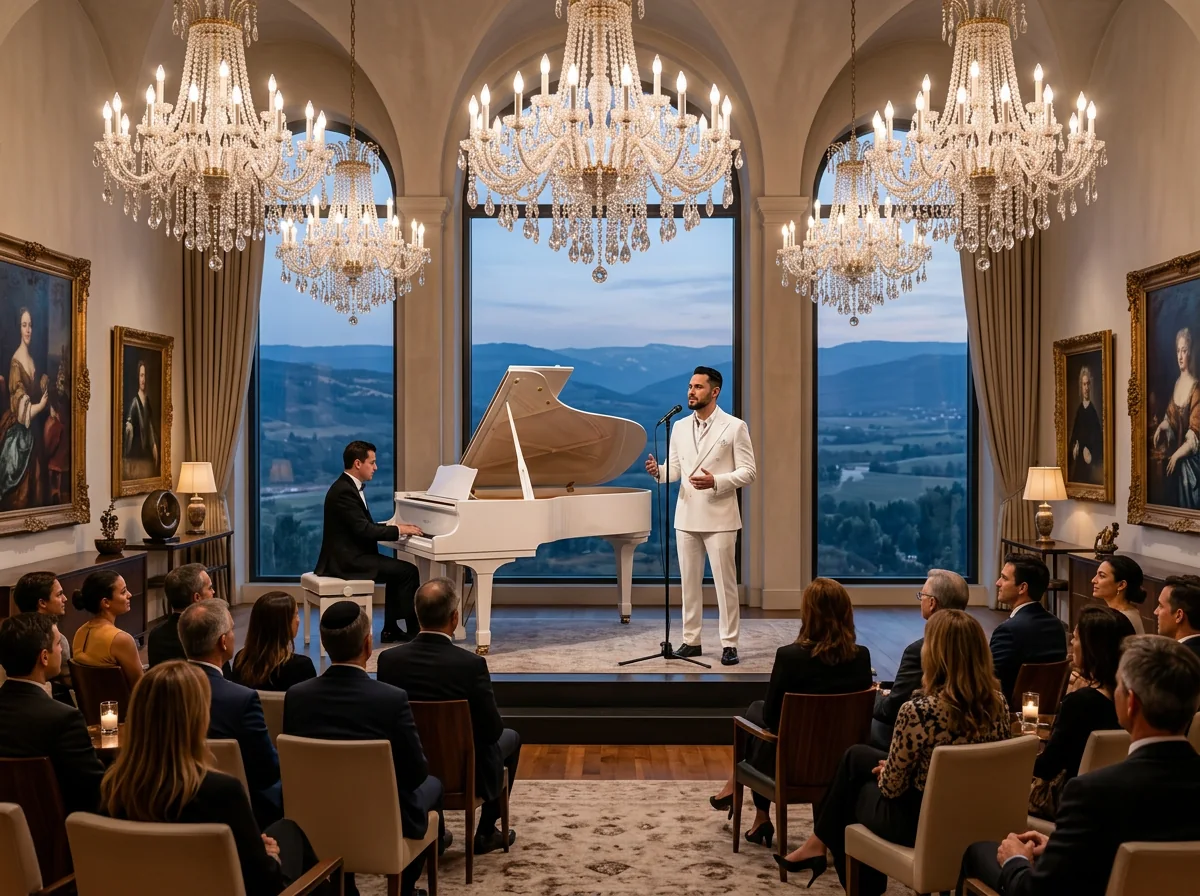
Ask where people will naturally look, whether everyone can see the performer and how late arrivals could enter without crossing the listening area. Seating does not have to resemble a formal auditorium, but a clear focal point helps. If part of the gathering remains standing, consider whether that creates a comfortable choice or an accidental division between attentive listeners and guests who feel excluded from the musical moment.
Discuss privacy as a preference to define
Private does not automatically mean no photographs, no introductions or complete anonymity. Explain your preferences concerning guest filming, spoken dedications and the use of family names, then discuss how they might be communicated. Tal Vaknin is a performing artist; SPS shapes repertoire, ensemble and artistic direction and coordinates with planners and venue teams. These roles should not be confused with an assumption of artist availability or a blanket confidentiality promise.
Before you enquire
- Tell guests whether the evening includes a focused listening moment.
- Choose the emotional centre of the programme rather than many competing dedications.
- Explain your preferences about filming, names and spoken introductions.