
Ask for memories rather than categories
Instead of requesting a list of traditional music, ask relatives which songs they associate with family celebrations and why. One person may remember a melody sung together; another may value a particular text or style of dancing. Those explanations reveal more than a genre label. Keep the conversation selective so that the couple’s own preferences remain visible, rather than allowing the programme to become a negotiation between competing family catalogues.
Separate ceremonial meaning from reception energy
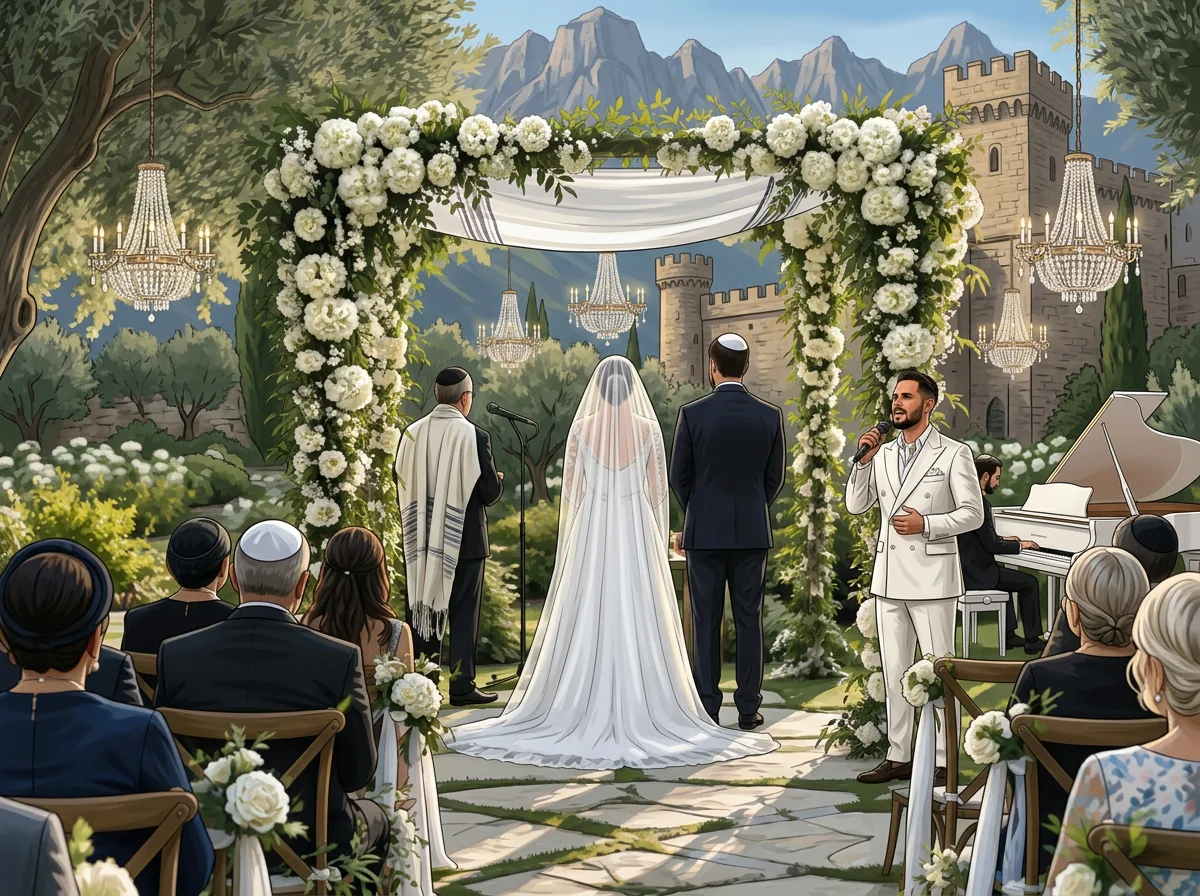
A piece with an important ritual association should not automatically be treated as interchangeable with a festive reception selection. Discuss context with the officiant or relevant family members when necessary. Equally, not every joyful passage needs a formal explanation. The aim is to preserve the significance of certain moments while allowing others to function naturally as celebration, with a clear understanding of where listening, singing along or dancing is being encouraged.
Make language a bridge rather than a test
Guests may recognise a melody without understanding its words, or understand the text without knowing the expected response. A concise introduction can sometimes help more than adding another language to the programme. Consider whether a translation belongs in printed material or a brief spoken explanation, where appropriate. Avoid assuming that every Hebrew-speaking guest shares the same repertoire or that guests unfamiliar with Hebrew cannot connect emotionally with a performance.
Choose an artistic thread across differences
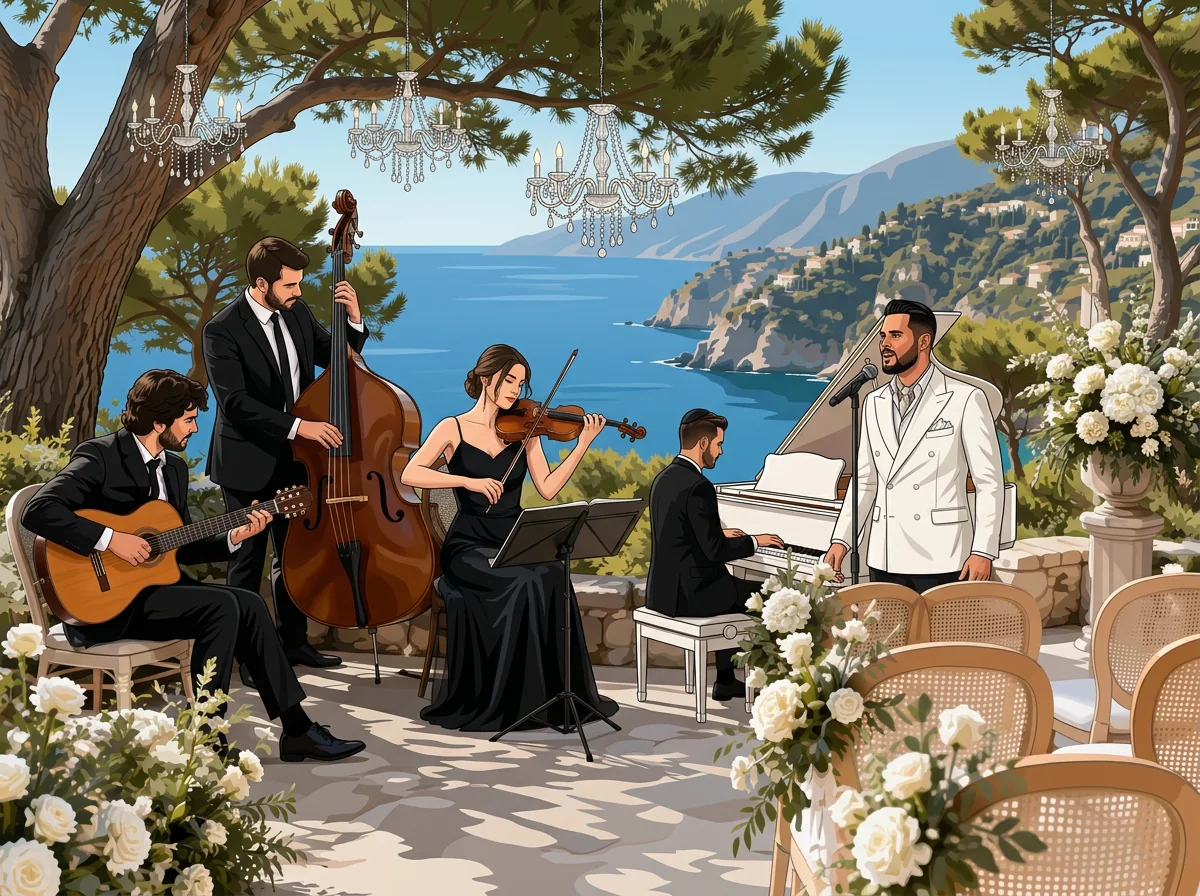
A coherent repertoire can accommodate several traditions without presenting them as separate musical blocks. Shared moods, transitions and interpretations may create continuity while keeping meaningful distinctions intact. SPS shapes repertoire, ensemble and artistic direction, and coordinates the show with planners and venue teams. Tal Vaknin is a performing artist, not another name for the company. Discuss desired references as creative material rather than assuming particular songs, arrangements or artist availability have already been confirmed.
Before you enquire
- Ask both families for a small number of songs with an explanation.
- Distinguish ritual associations from reception and dancing preferences.
- Identify where a short explanation could make participation easier.